LIFT IS NOW A PART OF MILE MARKER
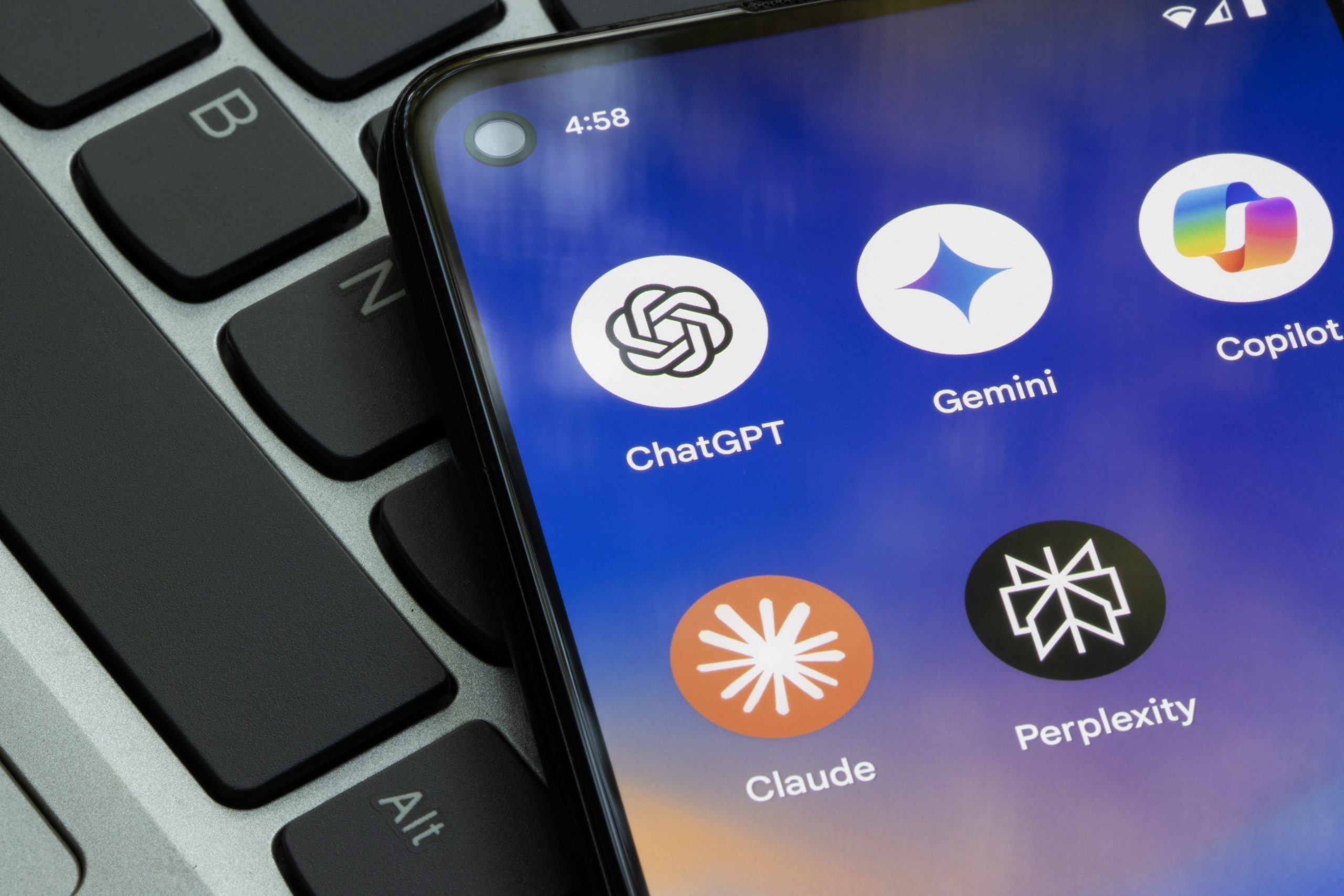
Let’s rip the band-aid off: OpenAI has officially launched its new plans, and with them, the rollout of ChatGPT ads starting this February.
Ads were inevitable. If you can stick an ad in it, companies will find a way… if you can’t stick an ad in it… well, they’ll still find a way. The only thing left to be seen is if this ad ecosystem will be a decent way to plug some of the holes in OpenAI’s multibillion-dollar sinking rowboat of profitability.
But this isn’t just another banner on a sidebar. Ads in chatbots are fascinating because they are entering a space of radical intimacy. We know people trust chatbots with the most important things in their lives—from everyday assistance to psychological support and medical queries.


People are pouring their deeply personal secrets into these bots, creating a massive responsibility for advertisers.
OpenAI knows this. That’s why they are taking a different approach from the “native integration” we see with Perplexity or the “embedded” style of Google.
However, unlike traditional SEM, OpenAI isn’t transacting on a Cost-Per-Click (CPC) basis. The ads are CPM-based (Cost Per Mille / Impressions).
Why? Because OpenAI is incentivized to keep you in the chat, not send you away. They want to be the destination, not the gateway.
Here is where it gets wild. We need to talk about OpenAI’s Agentic Commerce Protocol (ACP).
This isn’t just about showing an ad; it’s about closing the deal. With new app integrations and the ACP, AI agents can now interact directly with merchants (via Stripe and others) to discover products and even complete purchases without the user ever leaving the chat.
That is the “Agent-to-Agent” economy, and it collapses the marketing funnel into a single conversation.
Are there other implications? Absolutely. If you want to play in this sandbox, you need to stop thinking about SEO and start thinking about GEO (Generative Engine Optimization).
Welcome to the Synthetic Economy. It’s going to be a bumpy, expensive, and absolutely fascinating ride.
Need help navigating the complexities of the Synthetic Economy. Let’s Connect.
A modern omnichannel agency uniquely connecting data, creative and media to accelerate results for growth marketers. Ready to grow? Let’s talk