
Let’s rip the band-aid off: OpenAI has officially launched its new plans, and with them, the rollout of ChatGPT ads starting this February.
Ads were inevitable. If you can stick an ad in it, companies will find a way… if you can’t stick an ad in it… well, they’ll still find a way. The only thing left to be seen is if this ad ecosystem will be a decent way to plug some of the holes in OpenAI’s multibillion-dollar sinking rowboat of profitability.
But this isn’t just another banner on a sidebar. Ads in chatbots are fascinating because they are entering a space of radical intimacy. We know people trust chatbots with the most important things in their lives—from everyday assistance to psychological support and medical queries.
The Trust Paradox
People are pouring their deeply personal secrets into these bots, creating a massive responsibility for advertisers.
- The “Privacy Paradox”: Research shows a fascinating contradiction: while 81% of consumers say they are concerned about how AI companies use their data, a huge chunk of them still overshare sensitive information because the bot is just so useful [Pew Research Center, “How Americans View Data Privacy”, 2023].
- Emotional Reliance: It’s not just utility; it’s emotional. About 46% of adults are open to AI providing mental health support, treating these bots less like search engines and more like therapists [Pew Research Center, “How Americans View AI Impact”, Sept 2025].
- High Stakes: That is a staggering amount of trust. It transforms an ad from a distraction into a recommendation from a confidant.
The OpenAI Approach: Separation of Church and State
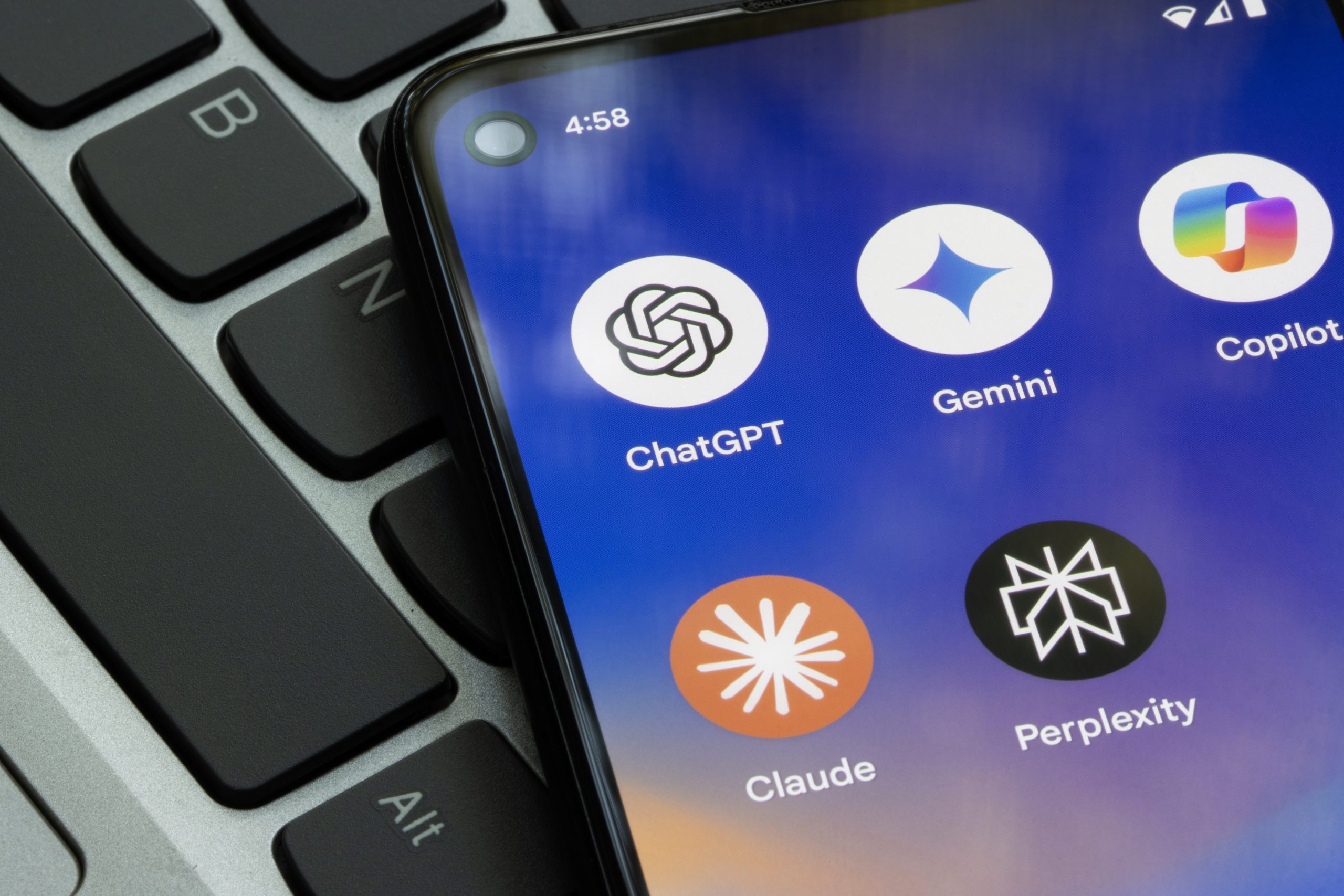
OpenAI knows this. That’s why they are taking a different approach from the “native integration” we see with Perplexity or the “embedded” style of Google.
- Church and State: OpenAI’s ads appear completely separate from the chat—typically as a “footer” or distinct block. They do not influence the chat’s actual reasoning in any way, which is foundational for maintaining that fragile user trust.
- Intent Marketing 2.0: What they are doing is taking a page from good old SEM. It’s intent marketing at its finest. I reckon it’s much more powerful than search because it’s a recommendation from a “trusted advisor” rather than a list of blue links.
The Zero-Click Reality: The Click Has Left the Chat
However, unlike traditional SEM, OpenAI isn’t transacting on a Cost-Per-Click (CPC) basis. The ads are CPM-based (Cost Per Mille / Impressions).
Why? Because OpenAI is incentivized to keep you in the chat, not send you away. They want to be the destination, not the gateway.
- The Good News: Ads in OpenAI allow us to access intent in the same granular way we do with SEM. This is a very welcome break from the tragic decline of availability on the SERP, where Generative AI is slowly sucking the inventory dry as users shift from “Googling it” to “asking ChatGPT”.
- The Bad News: This isn’t necessarily going to win you back web traffic. Since the model is CPM-based and designed to answer the user’s query in situ, the “Zero-Click” future is here. You’re paying for visibility and influence, not necessarily a site visit.
When the Bot Has the Credit Card
Here is where it gets wild. We need to talk about OpenAI’s Agentic Commerce Protocol (ACP).
This isn’t just about showing an ad; it’s about closing the deal. With new app integrations and the ACP, AI agents can now interact directly with merchants (via Stripe and others) to discover products and even complete purchases without the user ever leaving the chat.
- Imagine a user asks for a dinner recipe, and the bot not only suggests it but builds the cart and checks out the ingredients for them.
That is the “Agent-to-Agent” economy, and it collapses the marketing funnel into a single conversation.
The Invisible Ranking Factor: Is Your Data Ready for Robots?
Are there other implications? Absolutely. If you want to play in this sandbox, you need to stop thinking about SEO and start thinking about GEO (Generative Engine Optimization).
- Feed Hygiene is the New SEO: Because agents like ChatGPT read data, not just keywords, your back-end product data (XML/JSON feeds) must be pristine. If your product specs aren’t structured so a robot can read them, you are invisible to the “Agentic Commerce” buyers.
- Share of Voice (SOV) > Rank: There is no “Page 1” anymore. There is only “The Answer.” You are either cited in the response, or you don’t exist. We need to shift our metrics from “ranking position” to “Share of Voice”—how often is your brand mentioned in the AI’s synthesized narrative?
Welcome to the Synthetic Economy. It’s going to be a bumpy, expensive, and absolutely fascinating ride.
🗺️Need help navigating the complexities of the Synthetic Economy. Let’s Connect.